A Kiln Stop Costs Days, Not Hours. See It Coming Weeks Ahead.
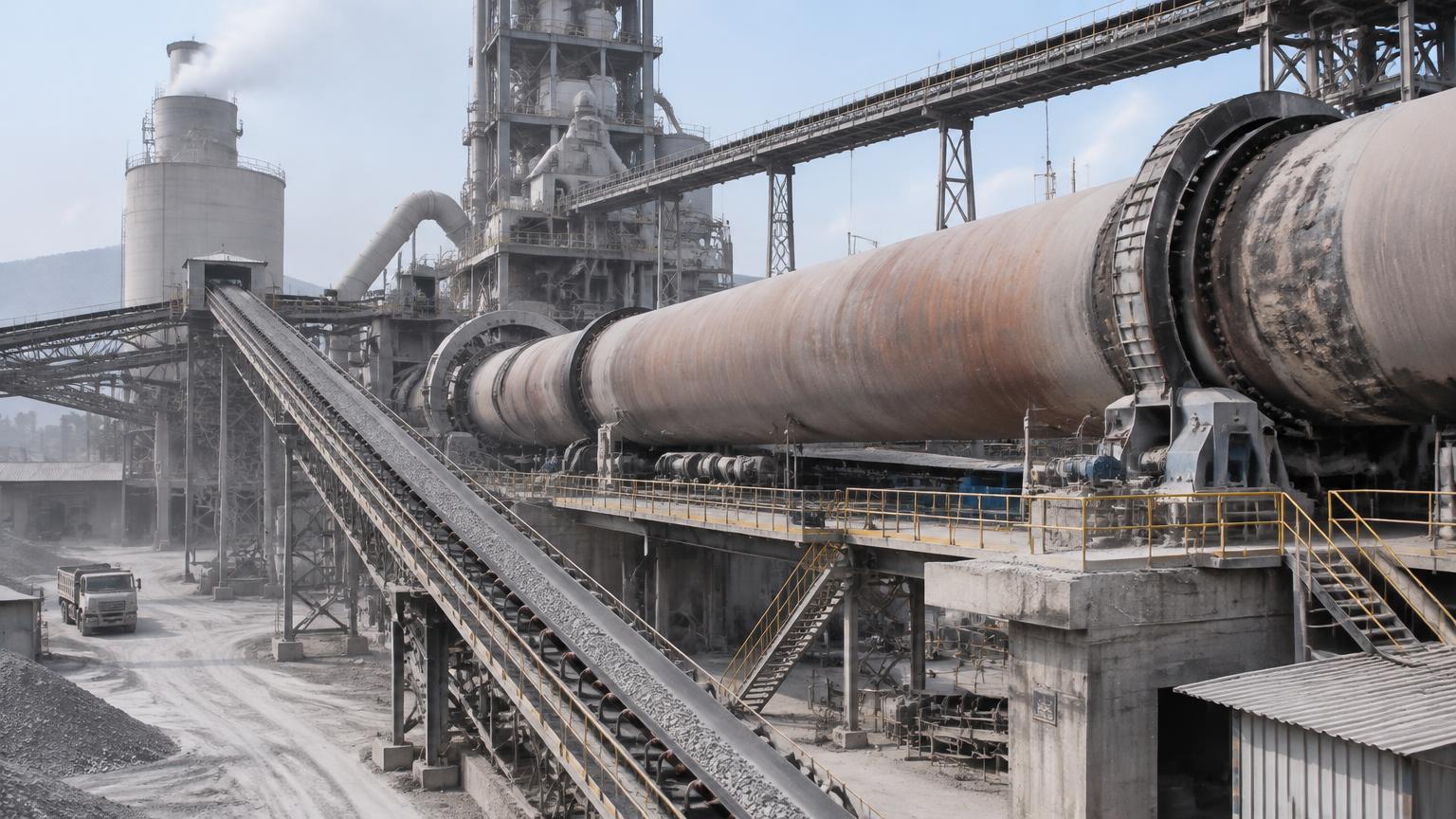
Kilns, ball mills, crushers and long conveyors run in dust, heat and vibration. When a girth gear, mill gearbox or fan bearing fails, restart takes days and the energy bill keeps running. We monitor those assets continuously and prepare crews for hazardous work before they face it.
The Problems Eating Your Margin
Every cement & heavy industry plant we visit fights the same three battles.
Multi-Day Restarts
Kiln and mill failures don't just stop production — reheating, relining and restart can take days of lost clinker output.
Harsh Conditions Hide Wear
Dust, heat and constant vibration make manual inspection rounds unreliable and dangerous. Wear is found when it fails.
High-Risk Maintenance Work
Confined spaces, hot work and heavy lifting make every maintenance task a safety risk for inexperienced crews.
In heavy industry, one avoided kiln stop pays for years of monitoring. Waiting for failure is the most expensive strategy.
How We Fix It
Problem first, outcome second, technology last. Here is what delivers the result.
Continuous Monitoring for Kilns, Mills & Crushers
Rugged sensors on kiln drives, mill gearboxes, crushers, ID fans and conveyor pulleys detect wear and misalignment weeks before failure — without manual rounds in hazardous areas.
See Predictive MaintenanceHazardous-Task Rehearsal in VR
Crews practise confined-space entry, lockout, hot work and emergency response in VR before doing it for real — fewer incidents, faster competence.
See VR TrainingCut Energy per Tonne
An AI co-pilot analyses kiln and mill parameters to find energy and throughput losses — and simulates the improvement before changing the process.
See AI Process OptimisationQuestions Cement & Heavy Industry Teams Ask Us
See What Downtime Costs Your Plant
Book a free 30-minute assessment. We will quantify your downtime cost, identify your highest-risk assets, and show you the payback before you commit to anything.